Physical Therapy | Proven Treatments & Exercises for Pain Relief
Introduction: Why Working Professionals Are Turning to Physical Therapy
Long hours at a desk. Repetitive movements. High stress.
For many working professionals in the US, pain is no longer occasional.
Over 60% of office-based professionals report having recurrent back, neck, or joint discomfort, according to industry health reports. These problems impair concentration, productivity, and general quality of life. Pain may be temporarily relieved by medication, but the underlying reason is not addressed.
This gap is filled by physical therapy.
To restore movement, lessen discomfort, and avoid further issues, physical therapy employs tried-and-true methods and planned exercises. It emphasises functionality rather than short-term respite.
Physical therapy addresses this gap.
Physical therapy uses proven treatments and structured exercises to restore movement, reduce pain, and prevent future problems. It focuses on function, not temporary relief.
This article explains practical physical therapy options designed for busy professionals who want results that last.
How These Physical Therapy Options Were Selected
Each therapy listed below follows a clear and objective selection process:
- Supported by clinical evidence and therapist adoption
- Commonly used for work-related pain conditions
- Time-efficient and realistic for professionals
- Focused on long-term pain reduction
- Safe and non-invasive
These therapies fit professionals who want effective care without surgery or extended downtime.
Manual Therapy for Muscle and Joint Pain
What It Is
Hands on techniques used by licensed physical therapists to treat soft tissue and joints.
Key Benefits
- Reduces muscle tightness
- Improves joint movement
- Increases circulation
Best For
- Neck and shoulder pain from desk work
- Lower back stiffness
- Repetitive strain injuries
Why Professionals Choose It
Manual therapy often provides relief within a few sessions, making it suitable for tight schedules.
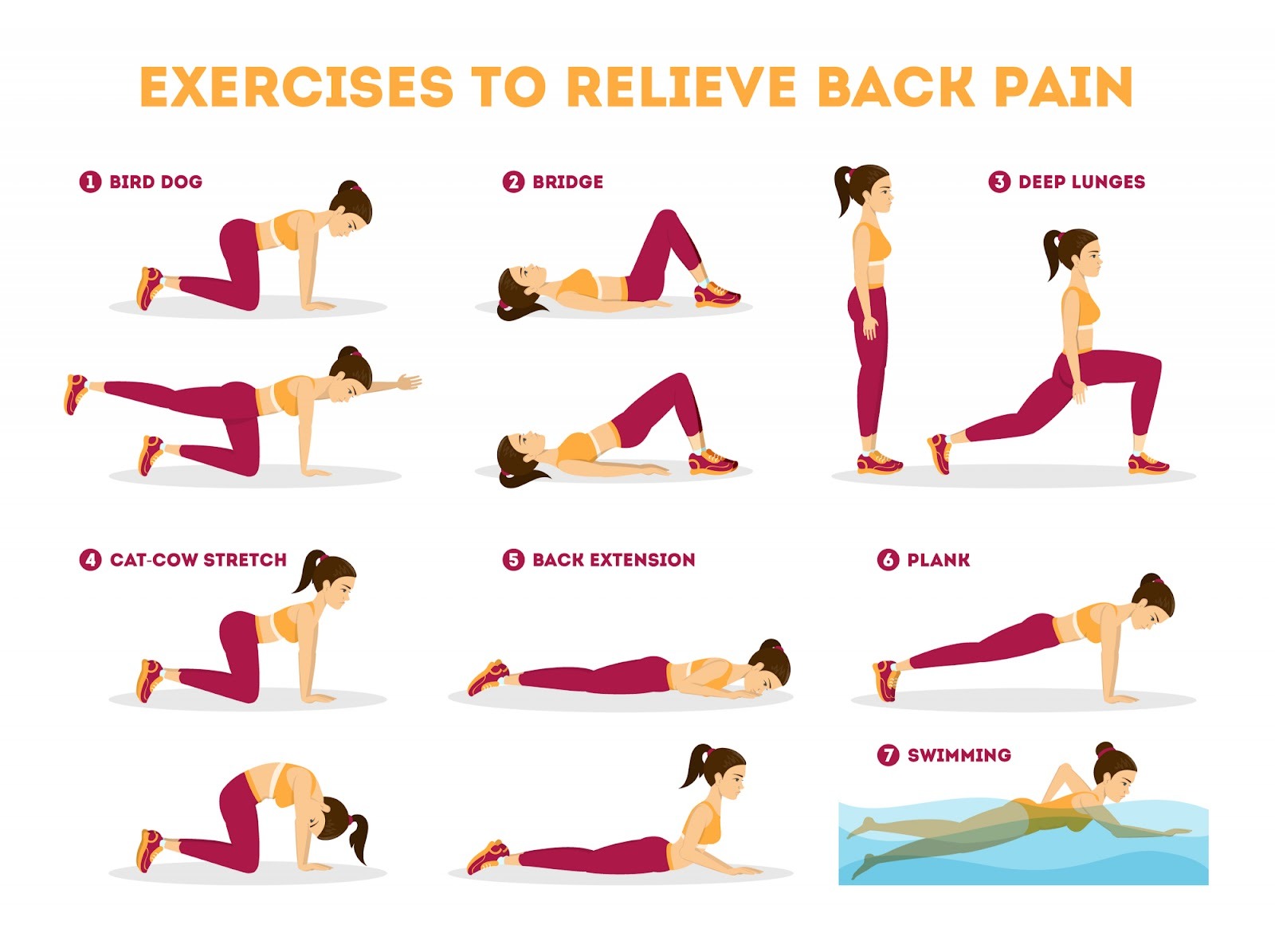
Therapeutic Exercise Programs for Long-Term Relief
What They Include
- Targeted stretching
- Strength building movements
- Controlled functional exercises
Benefits
- Improves posture
- Reduces recurring pain
- Builds physical resilience
Ideal Users
Professionals who want sustainable improvement instead of short term fixes.
Posture Correction Therapy for Office Workers
The Problem
Poor posture is one of the leading causes of chronic spinal pain.
Therapy Focus
- Postural assessments
- Muscle imbalance correction
- Work related movement training
Benefits
- Reduced neck and back strain
- Improved comfort during long work hours
- Less fatigue
Core Strengthening Therapy for Back Support
Why It Matters
Weak core muscles place excess stress on the spine.
Common Focus Areas
- Abdominal stability
- Pelvic control
- Functional strength
Best For
Professionals with frequent lower back pain or prolonged sitting habits.
Mobility Therapy for Joint Stiffness
What It Targets
- Hips
- Shoulders
- Knees
Benefits
- Improves range of motion
- Reduces stiffness after workdays
- Enhances daily movement
Who Needs It
Professionals who feel tight or restricted during routine activities.
Pain Management Therapy Without Medication
Why This Matters
Long-term medication use may cause side effects and dependency.
Physical Therapy Approach
- Movement correction
- Activity-based pain relief
- Muscle re-education
Key Advantage
Addresses pain naturally while improving physical function.
Injury Rehabilitation Therapy for Faster Recovery
What It Covers
- Workplace injuries
- Sports-related injuries
- Post-surgical recovery
Benefits
- Restores strength and coordination
- Reduces recovery time
- Lowers risk of reinjury
Ideal For
Professionals who need a safe return to work and daily activity.
Why Physical Therapy Works for Working Professionals
Physical therapy supports modern work lifestyles by:
- Reducing pain without surgery
- Improving productivity and focus
- Preventing future injuries
- Supporting long term physical health
It delivers measurable results without disrupting professional routines.
Final Thoughts: Choosing the Right Physical Therapy Approach
It is not appropriate to handle pain as normal.
Exercises and treatments that have been shown to improve mobility, lessen discomfort, and promote a healthy work life are offered by physical therapy. It offers working professionals a methodical, evidence-based approach that meets their professional and health objectives.